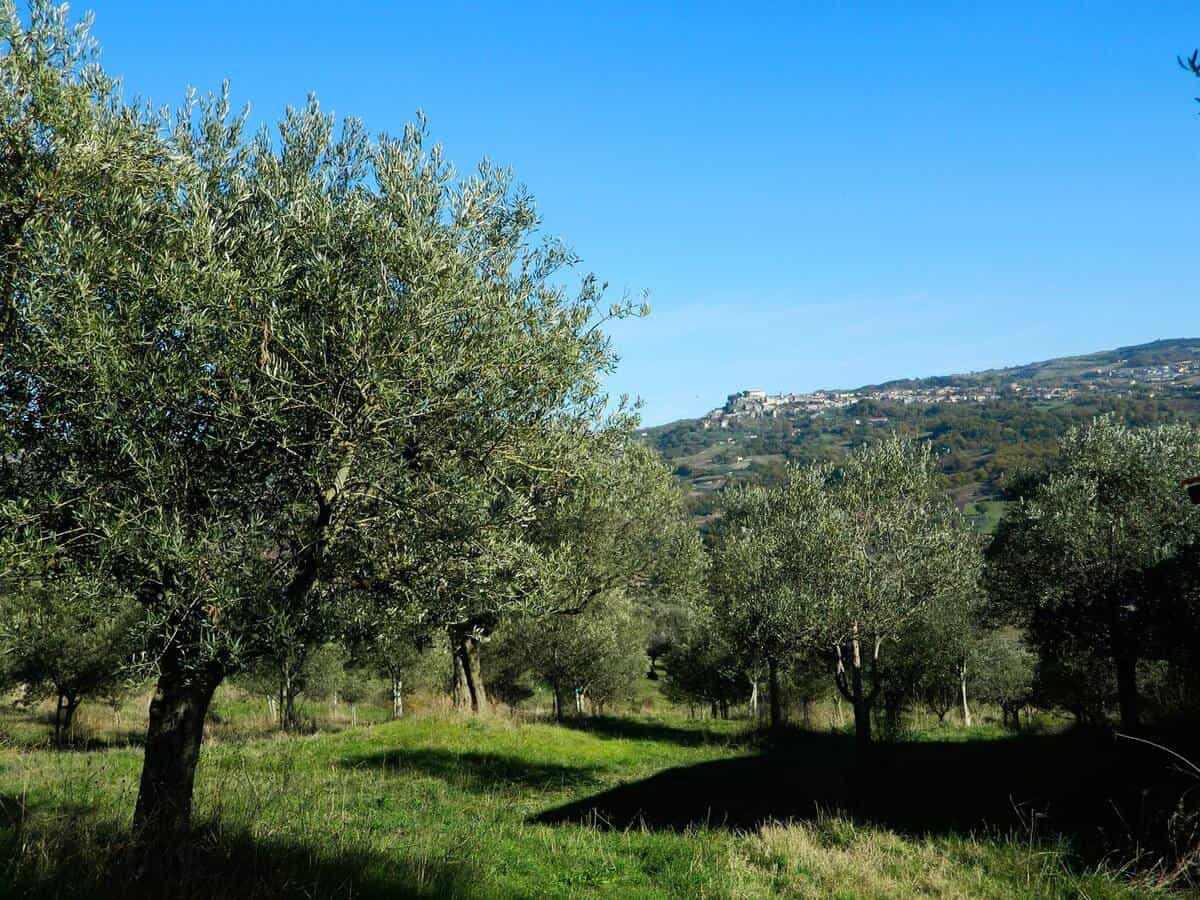
Where Campania olive oil comes from
Campania stretches from the Mediterranean coast to the inland mountains. The word Campania confirms a region, but quality becomes easier to understand when the label also identifies the province, farm, cultivar and harvest.
Sannio is the hilly and mountainous area around Benevento. Cooler winters and marked day-to-night temperature changes slow the olives' development and help produce structured oils with clear green aromas.
Ortice and the cultivars of Sannio
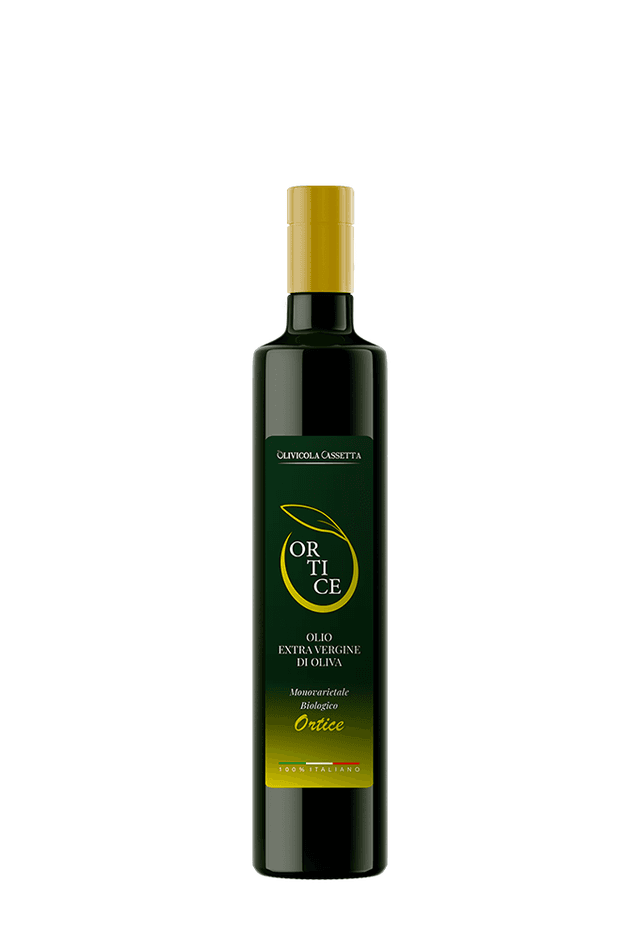
Ortice is one of Sannio's most characteristic olive varieties. Its oil is intense, with green tomato, olive leaf and almond notes, followed by noticeable bitterness and pungency. These are positive sensory attributes when balanced and clean.
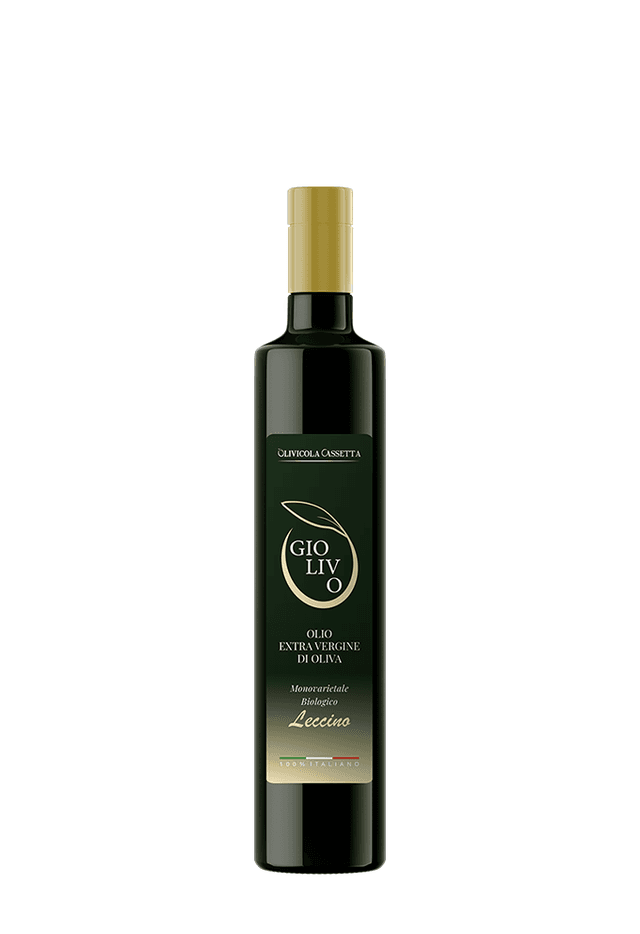
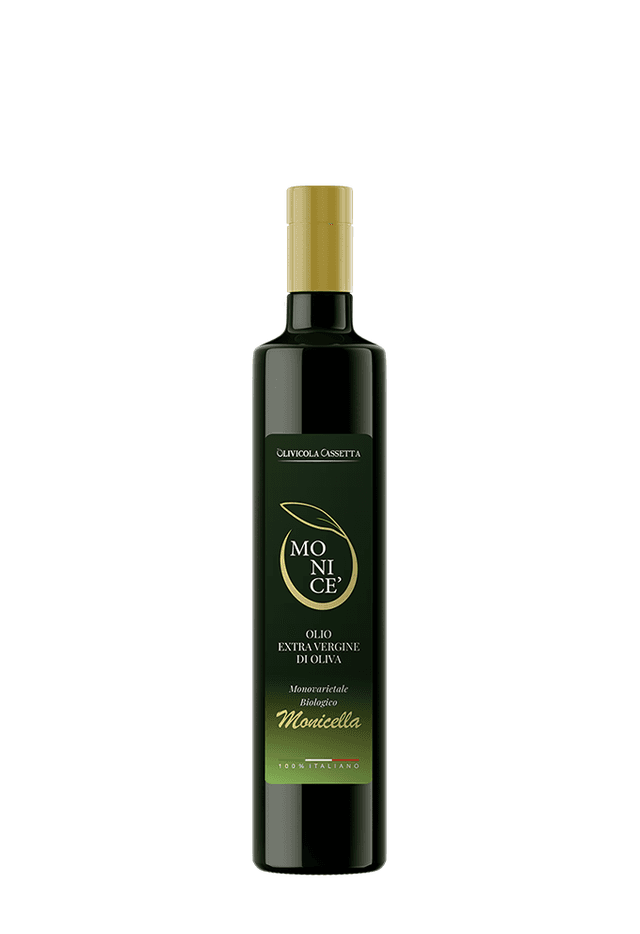
Other local and widely planted cultivars offer gentler or more versatile profiles. Producing each variety separately gives a monovarietal EVOO whose flavour can be matched to food rather than hidden inside an anonymous blend.
How to verify an authentic organic Italian EVOO
- Exact origin: Italian olives, with region and producer identified
- Organic certification: EU organic logo and control-body code
- Traceability: producer, lot and current harvest information
- Protected packaging: dark glass or tins
- Fresh sensory profile: vegetal aroma, clean bitterness and pungency
Being bottled in Italy is not the same as being made from Italian olives. Look for an origin statement that clearly applies to the raw material and production.
Buying Campania EVOO directly from the producer
Buying from the farm makes the supply chain visible: where the olives grew, who produced the oil, which cultivar is in the bottle and what each format costs per litre. It also gives you a direct contact for storage and food-pairing questions.
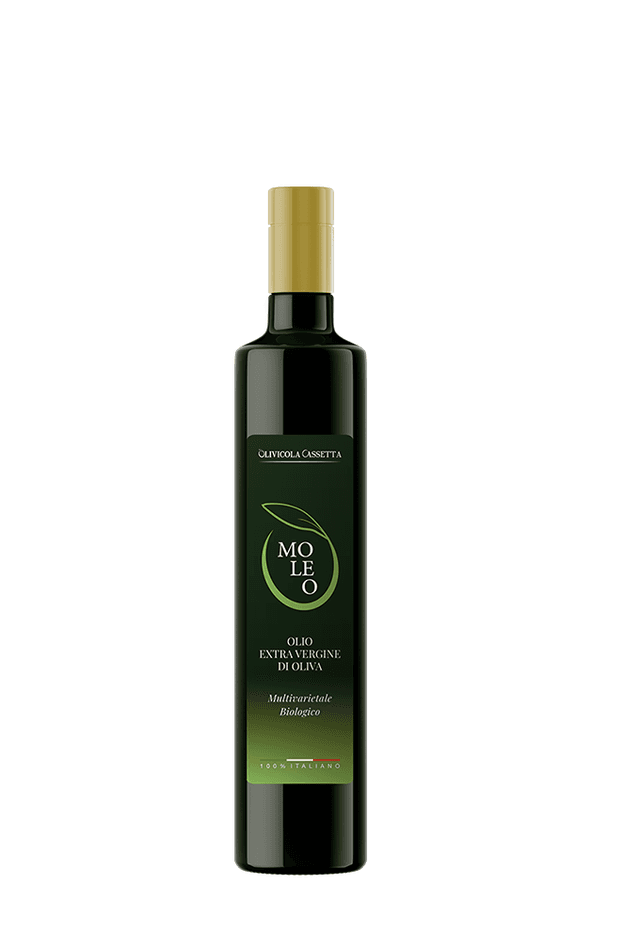
Olivicola Cassetta grows olives in Morcone, in the Pagliarelle area of Sannio, and ships its certified organic monovarietal oils from Italy to international customers. Product pages show the same price, format and availability data supplied to Google Merchant Center.