

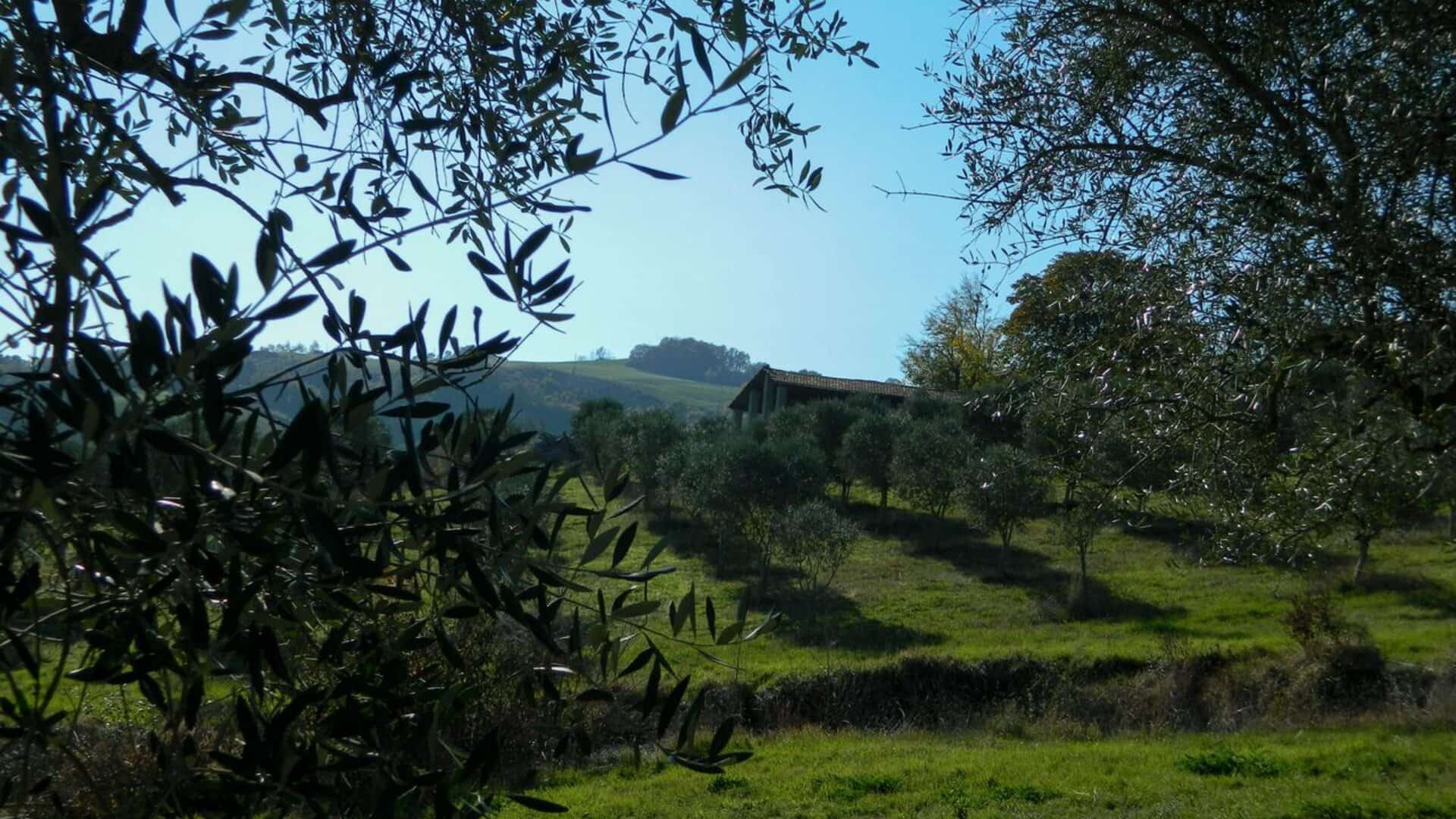
The farm, covering 15 hectares in a single block, lies within the Alto Tammaro Mountain Community, in the municipality of Morcone, locality Pagliarelle — an unspoilt area of the southern Apennines at an altitude between 500 and 600 metres above sea level.
Since 2015 we have bottled and labelled four product lines: three single-variety oils — Ortice, Leccino, Monicella — and a blend. Organic certification covers the entire chain, from grove to bottle, guaranteed by the control body Bioagricert.
Our history
- 1929
Gabriele Senior founds the estate as a mixed cereal-and-livestock farm, with olive and wine production. About 60 olive trees are already present.
- 1999
Under Giacomo (second generation) the estate begins specialising in olive growing: the first 3 hectares of Monicella are planted.
- 2000
The Leccino variety is introduced over about 1.15 hectares.
- 2004
Conversion to organic farming over 4.15 hectares of groves.
- 2005
The first 5 hectares of Ortice, a variety typical of the Sannio area near Benevento, are planted.
- 2014
Management passes to the siblings Gabriele Junior and Angela (third generation).
- 2016
The last 2.5 hectares of Ortice are planted, completing the conversion of the entire estate to olives.
- 2019
Management returns to Giacomo.
From grove to bottle
Six things decide the quality of an olive oil
Extra virgin olive oil isn't made at the mill: it's made in the twelve months before it, and it can be ruined in half a day. These are the six stages we act on, and how we handle each one.
The variety
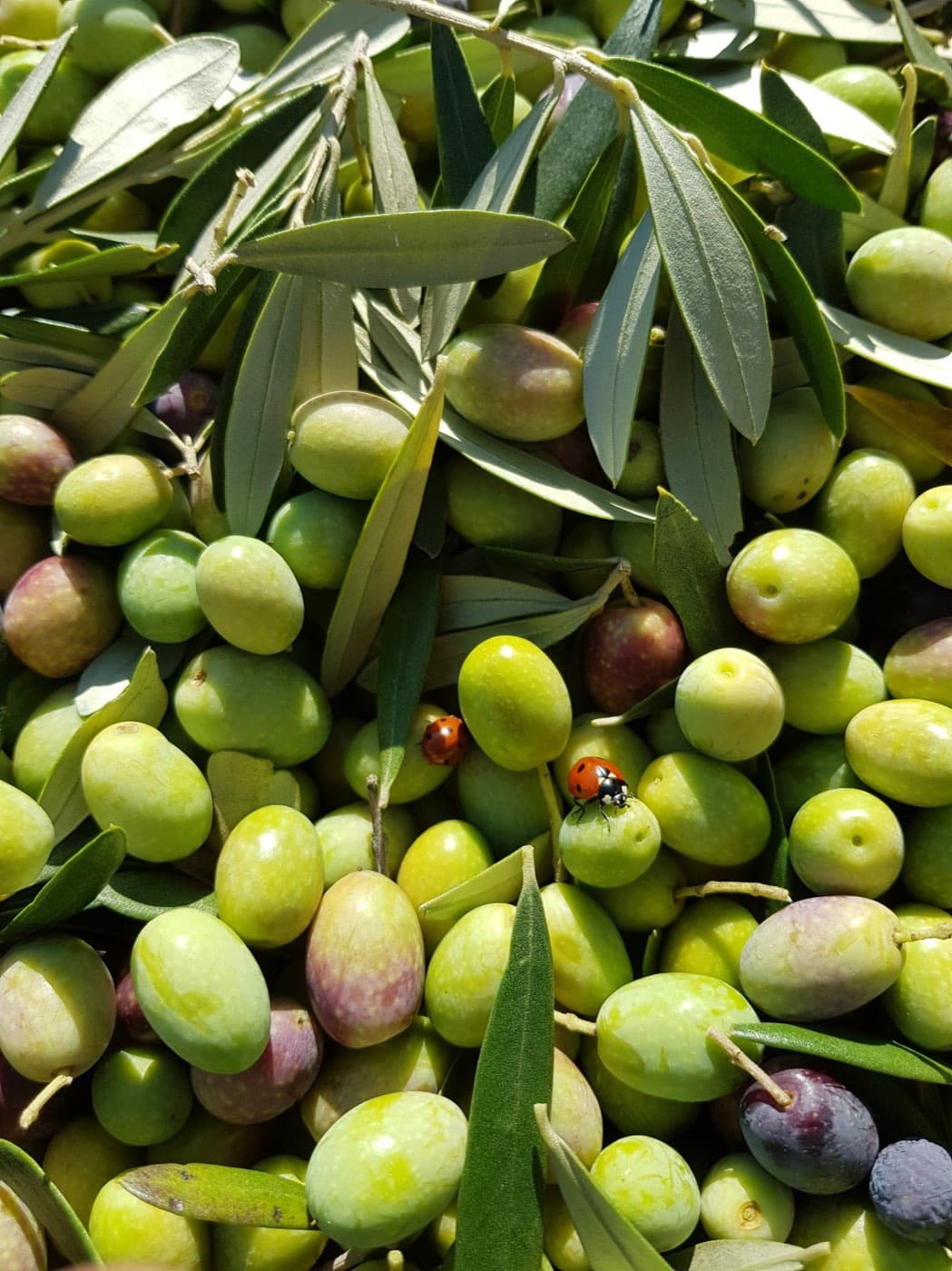
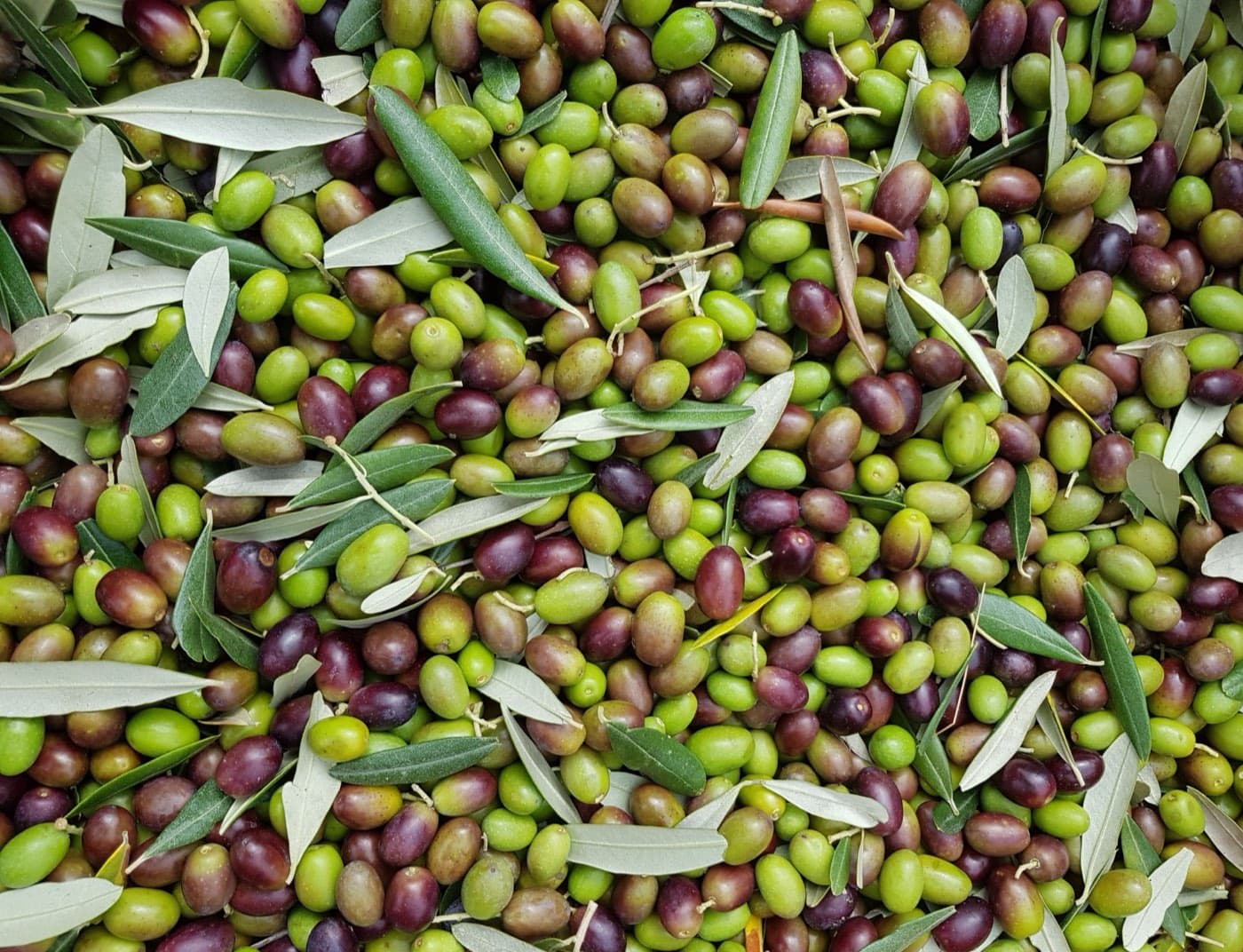
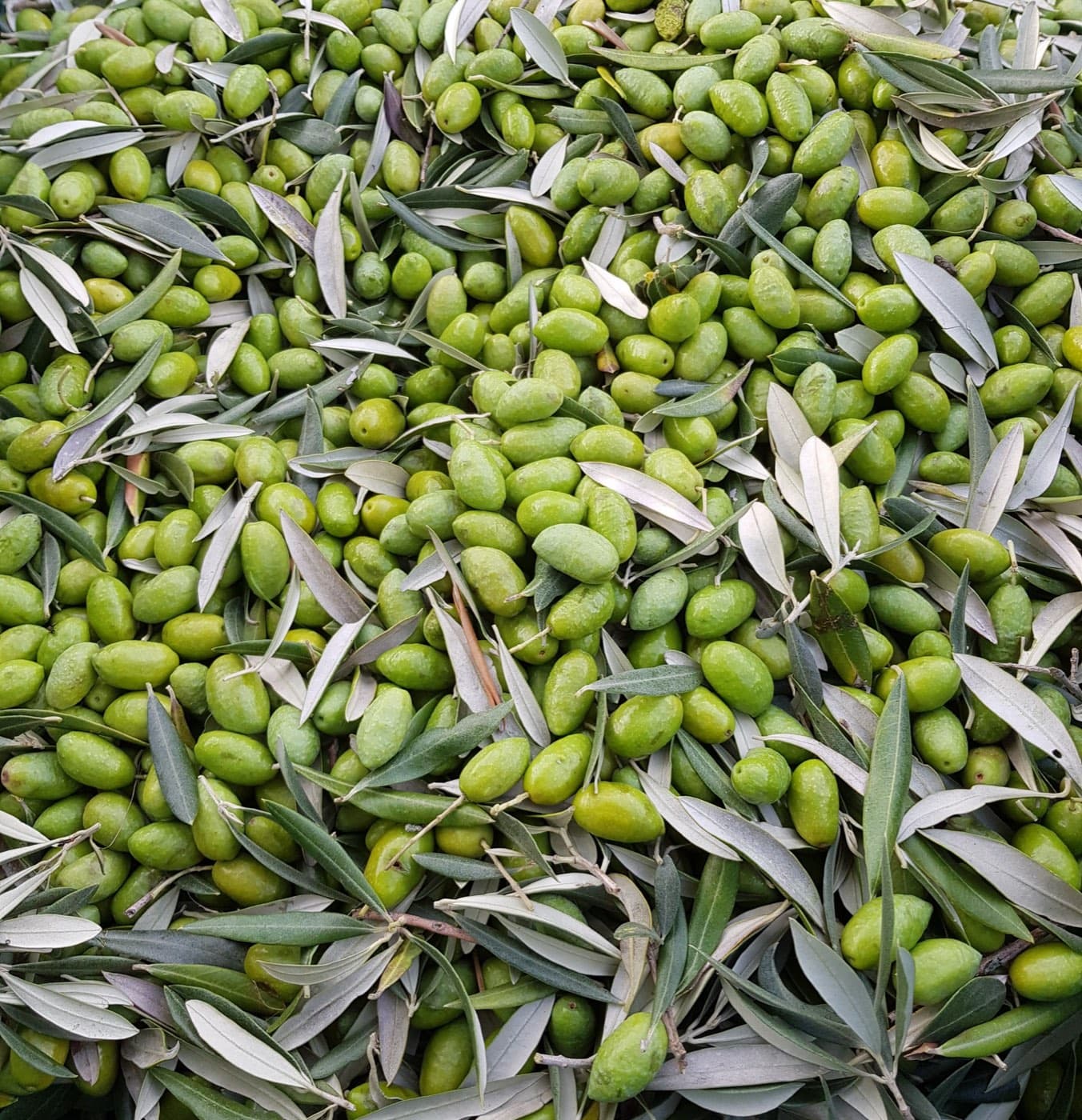
Every cultivar has its own profile, also shaped by season and site. We keep Ortice, Leccino and Monicella traceable and process them separately; where we create a blend, blending is a deliberate, declared choice.
Healthy fruit
Olive-fruit-fly damage can encourage deterioration and defects, depending on severity and fruit condition. We monitor the grove and use only practices and substances permitted under the organic rules.
When we harvest
We track veraison, fruit condition and each cultivar's development. Yield, aromas and phenolic compounds do not change identically every year, so the date is decided in the grove.
The gap between picking and milling
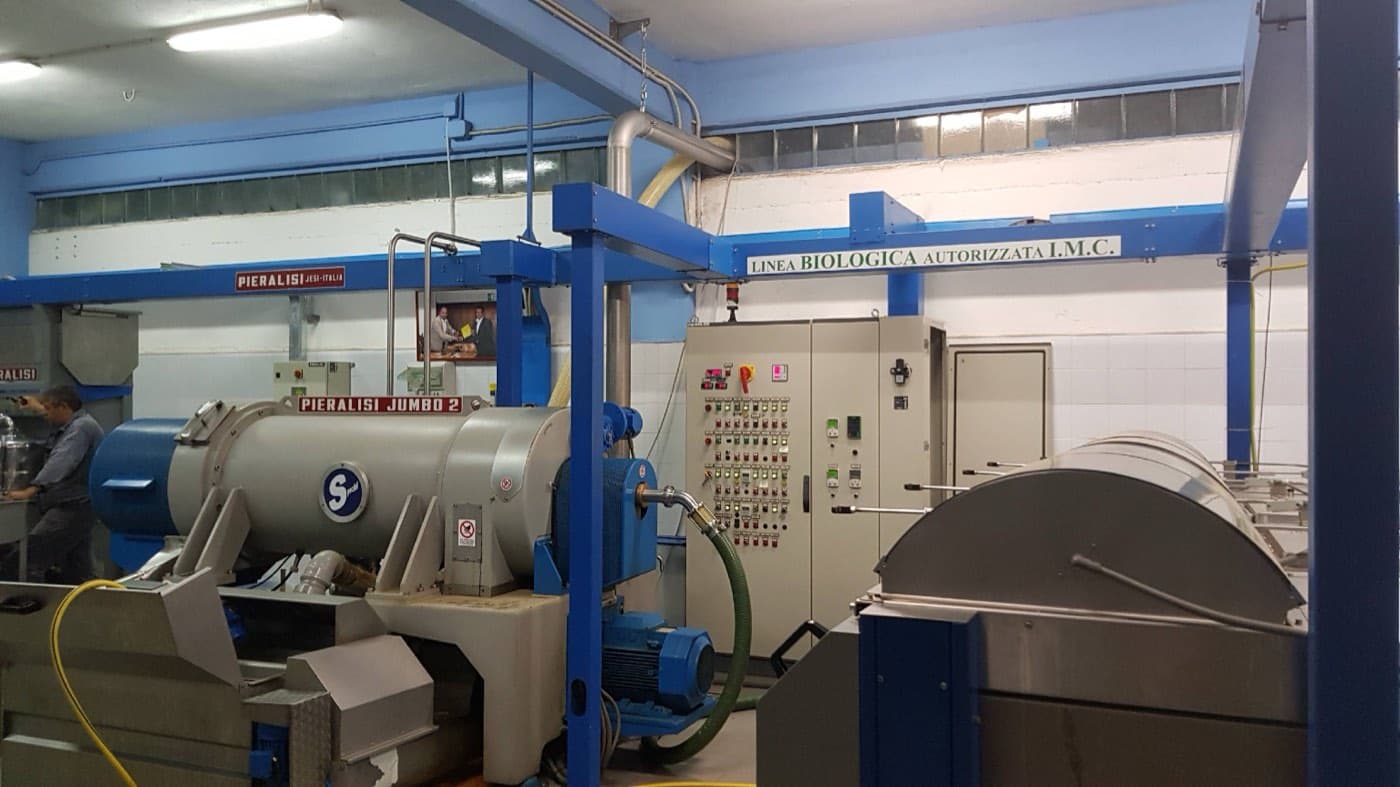
The most underrated factor of all. Olives left in bins heat up and ferment, so we mill every evening, with the olives picked that same day.
Extraction technology
Mechanical extraction with controlled time and temperature. We keep the paste below 27 °C, the condition for the “cold extraction” claim; the result still depends on the complete processing profile.
Storage
Finished oil fears light, air and warmth. We keep it in stainless steel, between 12 and 18 °C, and bottle to order rather than filling a warehouse.
More than 20 years of passion.