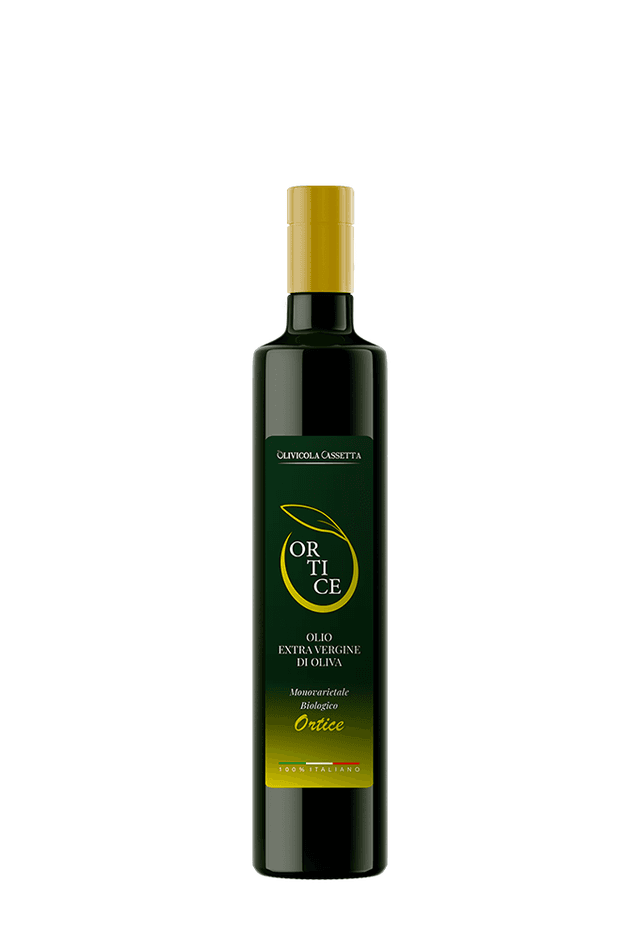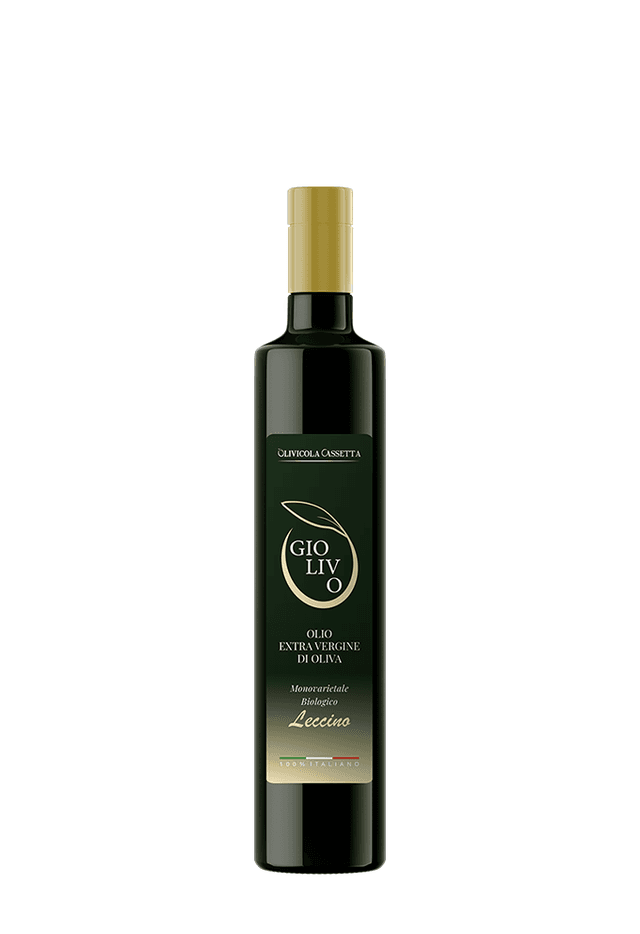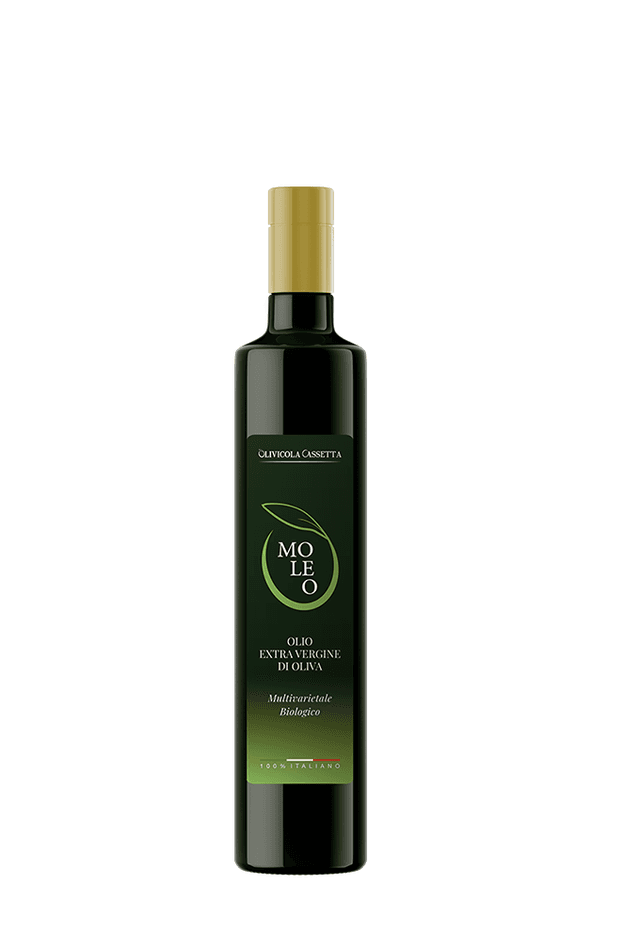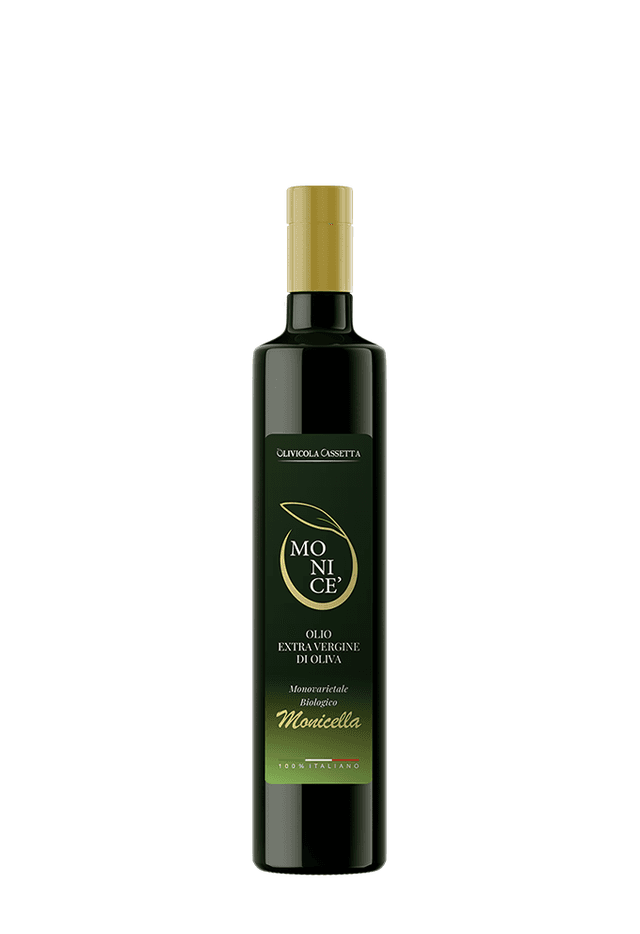
Two big families: virgin and refined oils
Olive oils fall into two large groups:
- Virgin oils: obtained from olives solely by mechanical or other physical means that do not alter the oil; washing, decantation, centrifugation and filtration are allowed.
- Refined oils: treated with sodium hydroxide (to remove acidity), steam in autoclave (to remove off-flavours), and decolourisation. They are industrial oils, neutral in taste, without aroma.
Only virgin oils preserve the natural aromas, flavours and antioxidant compounds of the olives.
Extra virgin olive oil — the top tier
The current framework is EU Regulation 1308/2013 together with Regulations 2022/2104 and 2022/2105. Requirements include:
- Free acidity ≤ 0.8% (as oleic acid)
- Median of defects (Md) = 0: no sensory defects detected by a certified tasting panel
- Median of fruitiness (Mf) > 0: detectable fruity character
The oil must meet all applicable chemical and sensory parameters, not acidity alone. A sensory defect detected by the panel prevents classification as extra virgin.
Virgin olive oil, lampante, refined and "olive oil"
- Virgin olive oil: acidity ≤ 2%, Md ≤ 3.5 and Mf > 0. It can have acidity ≤ 0.8% yet remain virgin because of sensory defects.
- Lampante: acidity > 2% and/or failure to meet the other virgin-category parameters. It is not sold for direct consumption and is sent for refining.
- Refined olive oil: obtained by refining virgin lampante oils and not sold on its own to final consumers.
- “Olive oil — composed of refined olive oils and virgin olive oils”: the regulated retail blend; its proportions are normally not stated.
Olive pomace oil
Pomace is the solid residue left after extraction. Crude pomace oil is refined; the retail category olive-pomace oil is a regulated blend of refined olive-pomace oil and virgin olive oils. It is distinct from virgin olive oil in raw material and process.
How to read a label well
- Look for the exact phrase: "Extra virgin olive oil"
- Check origin: "100% Italian" or a specific region (Sannio, Chianti, Garda)
- Cultivar and harvest year are useful but optional; a harvest year can appear only if all the oil comes from that crop year.
- “Cold extraction” is an optional regulated claim for virgin oils obtained below 27°C by percolation or centrifugation; “first cold pressing” applies to traditional hydraulic presses.
- Also assess light protection, best-before date and producer traceability. Price alone neither proves nor disproves fraud.