What polyphenols are
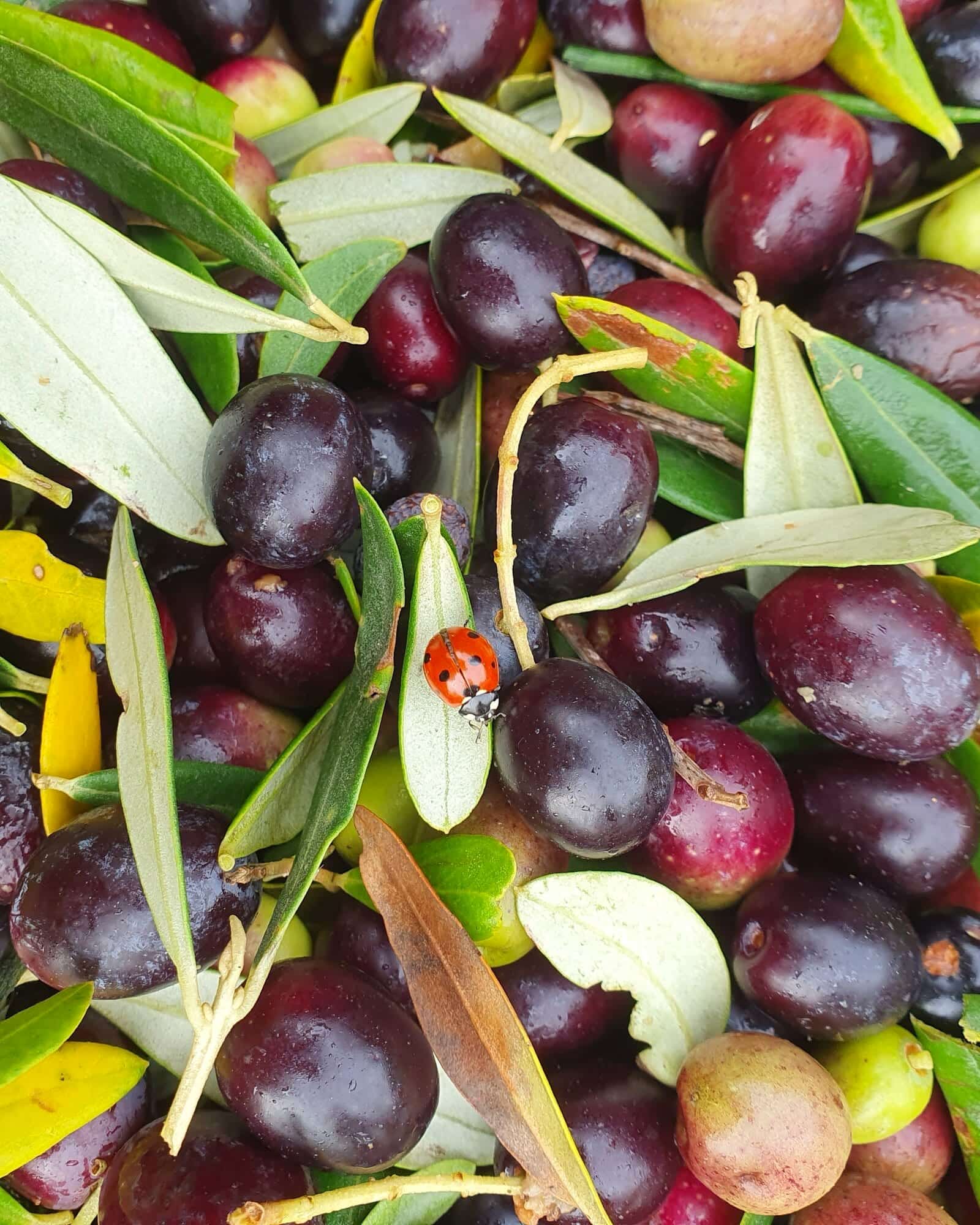
Polyphenols are plant compounds naturally present in olives. A portion transfers to the oil during extraction, with levels affected by cultivar, maturity, growing conditions and processing.
Compounds studied in virgin olive oil include:
- Oleocanthal and related molecules, associated with pungency in the throat.
- Oleuropein derivatives, which contribute to bitterness.
- Hydroxytyrosol, tyrosol and derivatives, covered by the authorised EU claim when its conditions are met.
What EFSA says
The European Food Safety Authority, in EU Regulation 432/2012, approved this claim for olive oils:
Olive oil polyphenols contribute to the protection of blood lipids from oxidative stress.
The claim may be used only for an oil containing at least 5 mg of hydroxytyrosol and its derivatives per 20 g of oil, together with information that the beneficial effect is obtained with a daily intake of 20 g.
Do not automatically convert this threshold into “total polyphenols” in mg/kg: different methods measure different sets of compounds. The relevant batch needs a method appropriate to the claim.
How phenolic content is measured
There is no universal scale that ranks every oil as low, medium or high from one number. Results depend on the method, reference standard and compounds quantified.
- Ask for the current batch report, not a generic cultivar value.
- Check the method, unit, date and laboratory.
- For the EU claim, verify that the required hydroxytyrosol and derivatives were measured, not only total phenols.
Any value for our oils is communicated together with a current analysis for the relevant batch.
What influences polyphenol content
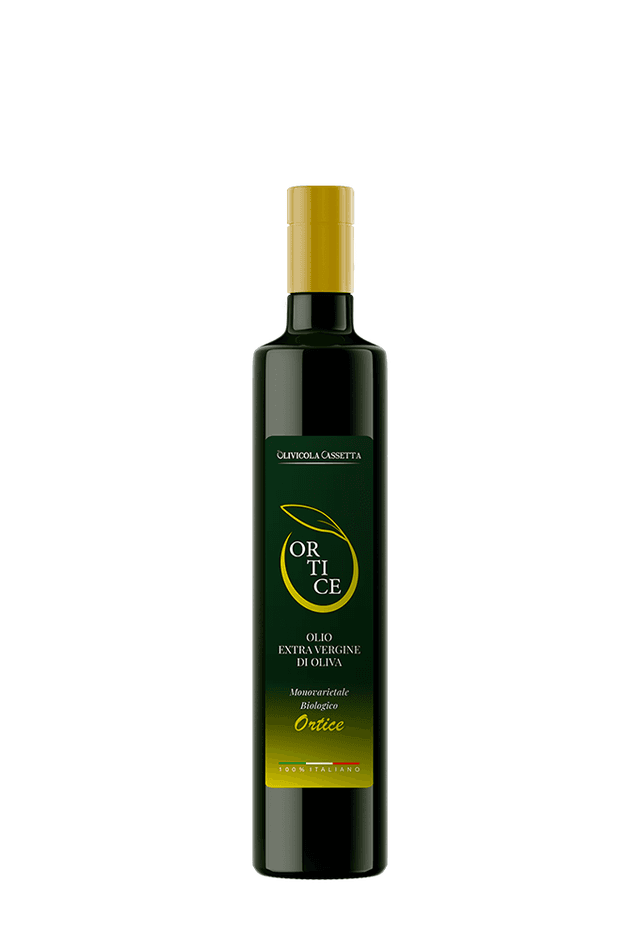
- Cultivar: some varieties are naturally richer (Ortice, Coratina, Frantoio, Picual)
- Maturity: the pattern differs among cultivars, years and environments.
- Water, soil and climate: these interact; there is no simple rule that always makes hills or drought “better”.
- Fruit condition and handling: damage, time and storage conditions affect overall quality.
- Extraction: temperature, malaxation time, water and equipment act together. The 27°C value is the legal threshold for the “cold extraction” claim, not a sudden quality cliff.
How to spot a polyphenol-rich oil
Bitterness and pungency are positive sensory attributes associated with certain phenolic compounds, but tasting does not replace quantitative analysis:
- The oil "pinches" the throat, gives a mild coughing reflex
- Perceptible, balanced bitter taste
- Green aroma: cut grass, olive leaf, almond
Polyphenols decrease over time: a fresh oil has more than a 12-month-old one. That's why fresh oils (within 12 months) have the most intense flavour.