1. "Pungent oil = high acidity"
FALSE. Acidity isn't perceptible by senses: it's a lab-measured chemical parameter.
Pungency and bitterness are positive sensory attributes associated with several phenolic compounds, not free acidity. They can suggest the presence of phenols but do not quantify them or prove overall freshness and quality by themselves.
2. "Green oil is better than yellow oil"
FALSE. Colour depends on:
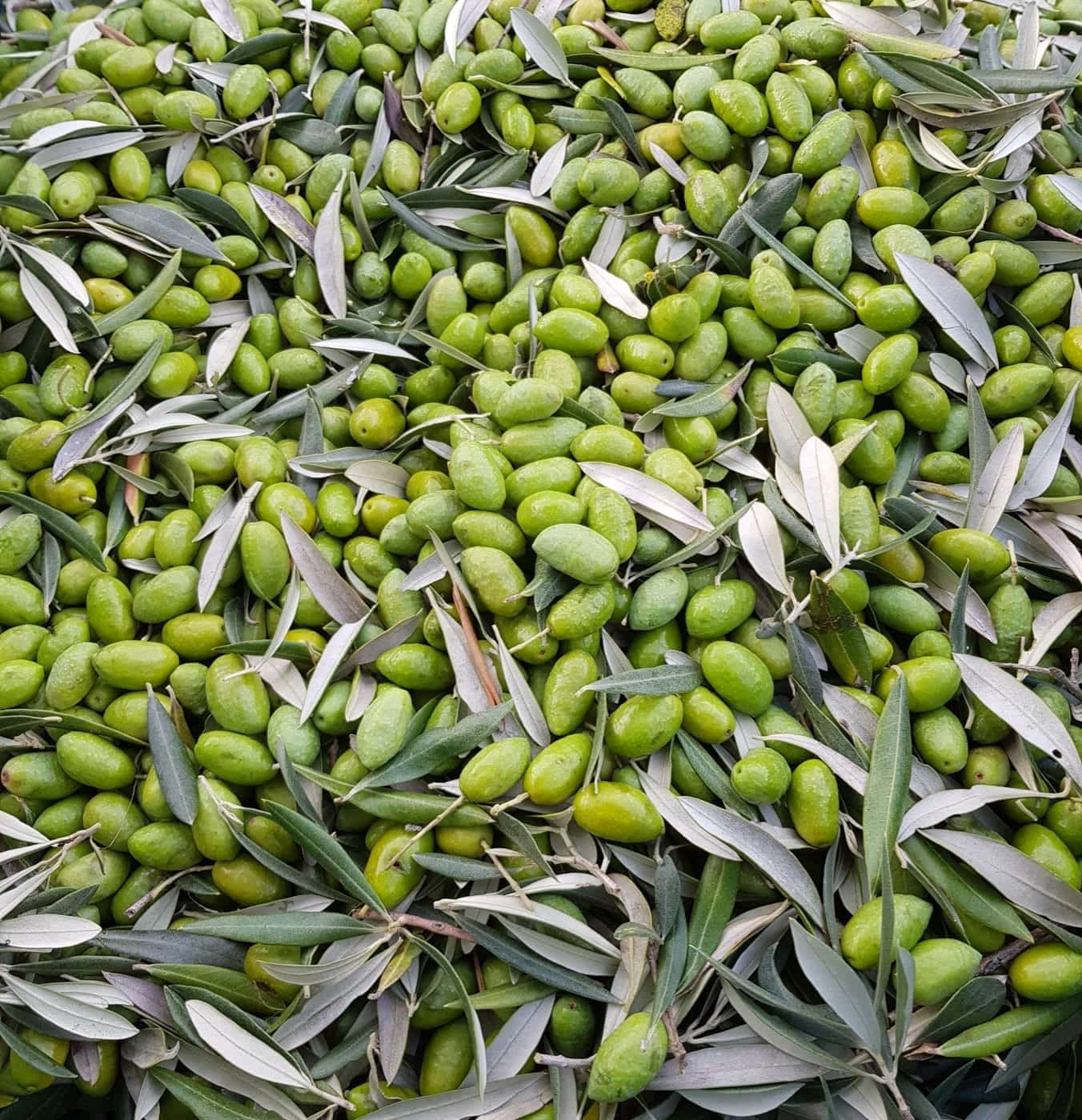
- Olive maturity (green olives = more chlorophyll; ripe = more carotenoids)
- Variety: some cultivars produce greener oils, others golden
A deep-golden oil from a great cultivar can be excellent. Colour doesn't certify quality.
3. "Cleaning oil containers with vinegar works"
Use a food-contact cleaning procedure and avoid scented products that may leave odours. Thorough rinsing and complete drying are essential; tanks and equipment must follow the manufacturer's instructions and the food-safety plan.
4. "A PDO oil is better than a non-PDO oil"
NOT AUTOMATICALLY. PDO is an EU quality scheme. It certifies the geographic link, that the entire chain takes place in the defined area and compliance with a controlled specification. It is not, however, a universal sensory ranking of every PDO against every non-PDO oil.
5. "Organic oil is automatically better"
NOT NECESSARILY. Organic is a regulated production method that restricts artificial fertilisers, herbicides and pesticides and permits approved substances. It does not mean “zero residues” or automatically guarantee superior sensory quality.
6. "Extra virgin can't be used for frying"
FALSE. EVOO can be used for frying and has shown good oxidative stability in controlled studies. It is not automatically superior to every seed oil: composition, initial quality, temperature, time and reuse all affect the result.
7. "Cloudy oil is more genuine"
NO. Cloudiness can come from suspended water and solids, which may reduce stability during storage. Well-managed filtration can help, but clarity alone proves neither authenticity nor initial quality.