The three enemies: light, air, heat
Three factors degrade extra virgin olive oil through oxidation, producing rancidity (the acrid smell and stale taste of old oil):
- Light speeds up reactions that reduce aroma and quality; opaque containers or dark glass are therefore preferable.
- Air (oxygen) promotes oxidation, especially when a nearly empty bottle has a large space above the oil.
- Heat speeds deterioration. Sunlight, an oven or a hob are poor places to keep a bottle.
The right container
For retail sale, suitable packaging includes:
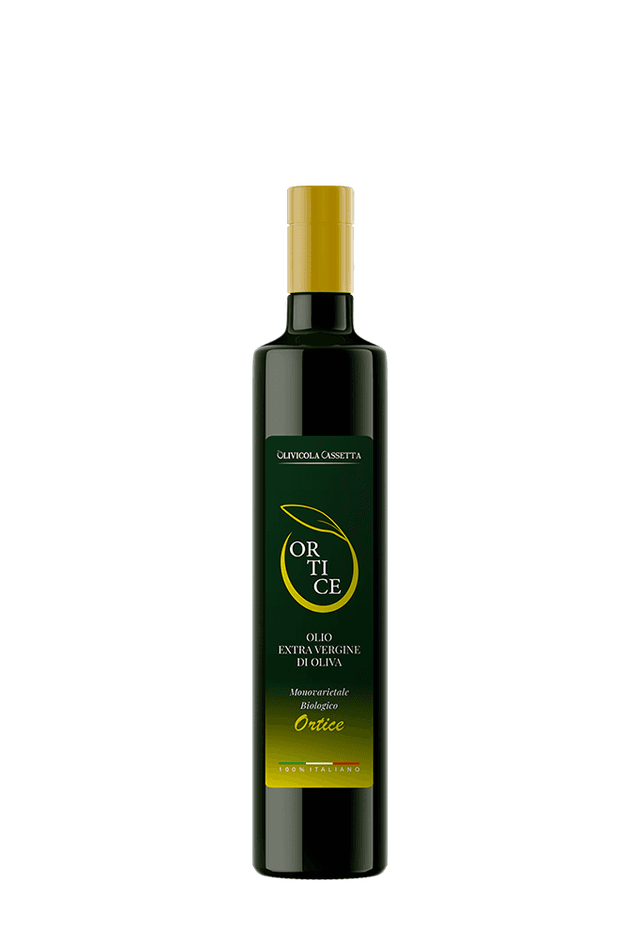
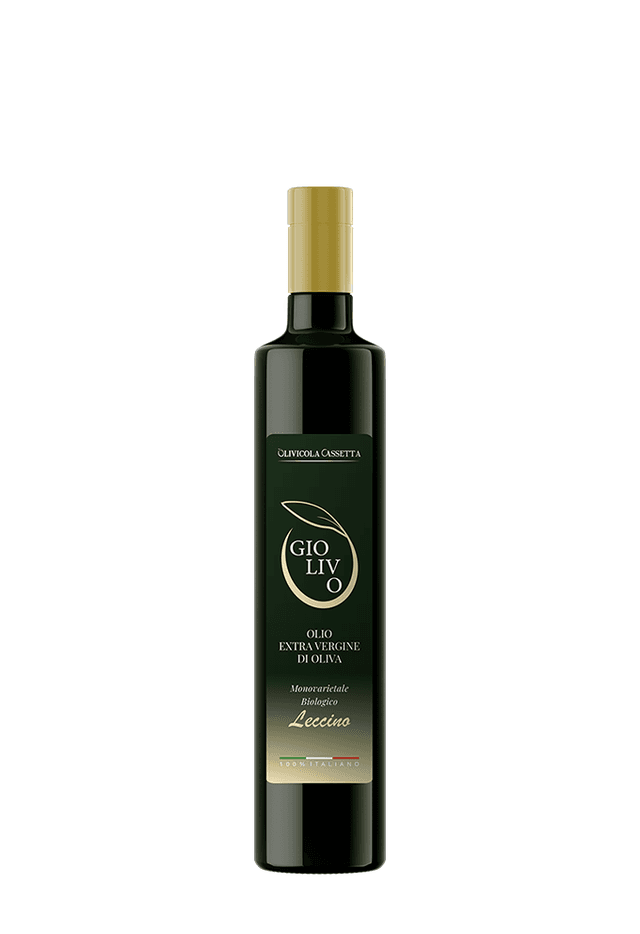
- Dark glass bottles (green or amber), which limit exposure to light.
- Food-grade metal tins, which block light completely and can work well for larger quantities.
- Bag-in-box made for oil: the inner bag contracts as oil is dispensed, reducing the entry of air.
Avoid clear plastic bottles, containers that do not seal well and clear glass left in the light.
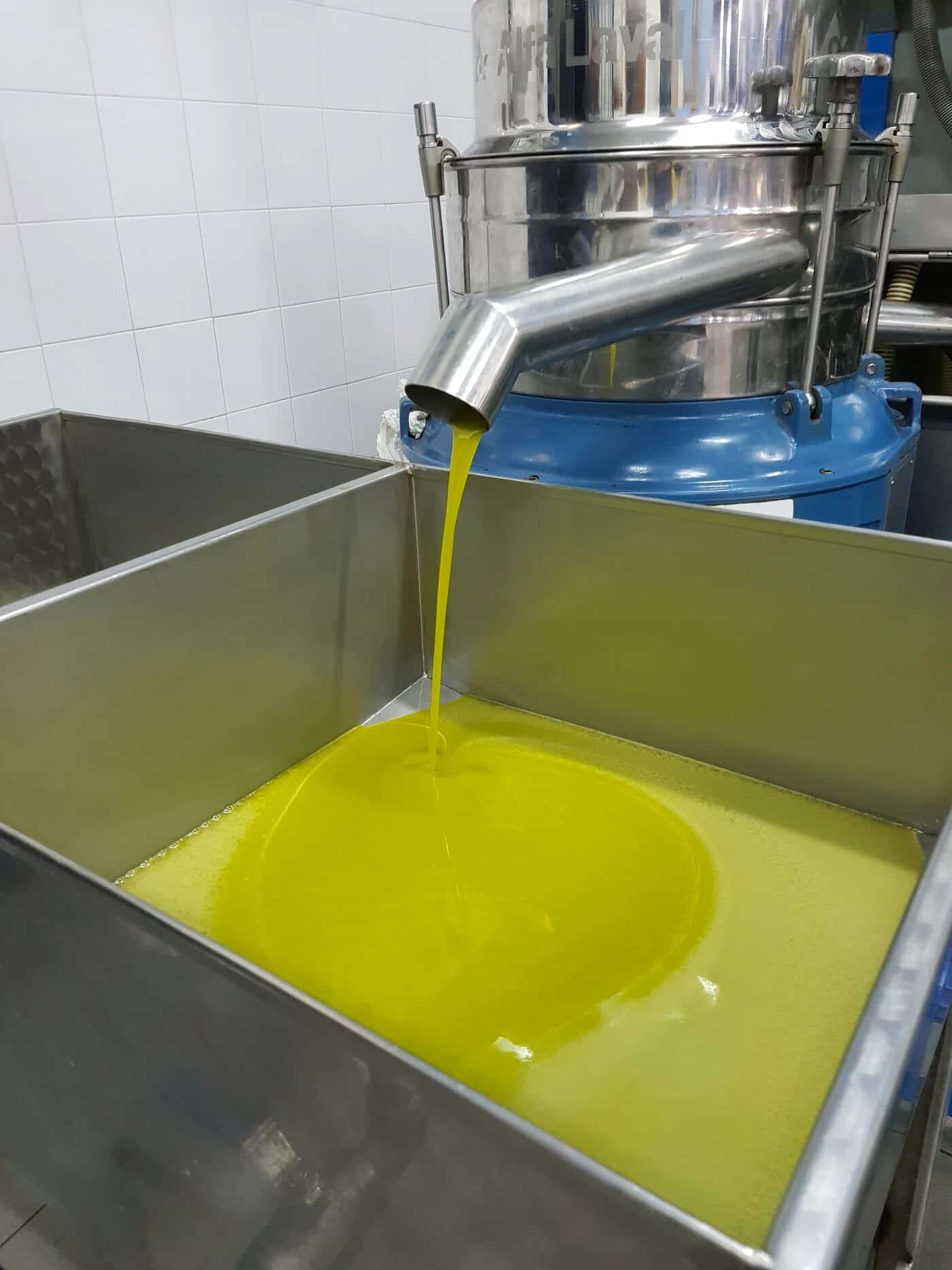
Before bottling, professional producers use closed, food-grade stainless-steel tanks designed for cleaning and sediment management. They limit the air space above the oil and may use inert gas where the process calls for it. These are cellar procedures within a food-safety plan, not instructions for home storage.
Where to keep it at home
The practical rule is cool, dark and dry.
- A closed pantry offers darkness and a relatively stable, cool temperature. Around 16–18°C is a useful ideal, not a strict requirement for every home.
- Avoid the kitchen counter if the bottle is exposed to light or cooking heat.
- Keep it away from the oven or hob, where temperatures rise.
- Refrigeration is unnecessary: the oil may turn cloudy or crystallise, then gradually become liquid again at room temperature.
- Close the cap tightly after each use and do not leave an open pourer in the bottle permanently.
How long a sealed bottle lasts
There is no single number for every bottle. The oil's composition, filtration, packaging and exposure to oxygen, light and heat all affect how quickly it changes. Follow the producer's best-before date on the package.
That date indicates how long the food is expected to retain its specific properties when stored correctly. It does not mean the oil changes overnight, nor should you ignore unusual smell or taste, damage to the container or the way it was stored.
How long an opened bottle lasts
Opening increases contact with oxygen, but it does not start the same new expiry period for every oil. As a practical rule, buy a size you can finish within a few months and close it immediately after each use.
- Match the bottle size to your use: two 500 ml bottles may be better than a 1 litre bottle that stays open for six months.
- If you use little oil, choose smaller packs rather than leaving a nearly empty bottle for a long time.
- Do not keep oil in an open, clear tabletop carafe.
What about seed oils?
The same rules of darkness, limited air exposure and cool storage apply to sunflower, corn, peanut and soybean oil. Many are generally less stable than extra virgin olive oil because their polyunsaturated fats oxidise faster than the monounsaturated oleic acid prevalent in olive oil. High-oleic sunflower oil is an exception designed for greater stability.
Refining also removes much of the phenolic material that helps slow oxidation in extra virgin olive oil. A refined oil's neutral starting aroma can make rancidity harder to notice. After opening, use it promptly, follow the best-before date and do not rely on smell alone.
Why the fridge test cannot prove an oil is genuine
A common myth says authentic extra virgin olive oil must solidify in the fridge. Crystallisation varies with the oil's fatty acids and waxes, as well as the temperature, so it is not a reliable test of authenticity or quality.
An UC Davis Olive Center report found refrigeration unreliable for judging purity or quality. Assessing an oil requires its label and traceability, appropriate chemical tests and, for its commercial category, sensory assessment by recognised methods.
Professional storage at the mill
Home advice is not enough for a storage tank. Professional storage calls for cleanable, closable food-grade stainless-steel containers, timely removal of water and sediment, temperature control and limited contact with oxygen and light. Trained staff should manage any inert gas and cleaning procedures within the producer's food-safety plan.
These principles align with the International Olive Council's storage practices and the UC Davis Olive Center's packaging guidance.
Common mistakes to avoid
- Leaving the cap open unnecessarily increases air contact.
- A clear glass carafe on the table exposes oil to light and oxygen.
- Keeping it beside the hob exposes it to heat.
- Refilling a dirty bottle can introduce water, residue or odours; use only clean, completely dry, food-grade containers.
- Mixing old and new oil can compromise the new oil's quality.