The oil and vinegar ratio
The classic vinaigrette ratio is 3 parts oil to 1 part vinegar. With sharper vinegars or bitter leaves, 4:1 is gentler; with mild rice or apple vinegar, 2:1 works. For a salad for four:
- 45 ml (3 tablespoons) extra virgin olive oil
- 15 ml (1 tablespoon) red or white wine vinegar
- a pinch of salt and black pepper
- optional: ½ teaspoon Dijon mustard or honey
Dissolve the salt in the vinegar first, because salt does not dissolve in oil. Then add the oil and whisk, or shake everything in a closed jar.
Do oil and vinegar mix?
Not on their own: oil and water-based vinegar separate within minutes. Whisking breaks the oil into tiny droplets and creates a temporary emulsion. A little mustard, honey, crushed garlic or a spoon of yogurt helps the droplets stay suspended for longer.
If the dressing separates, shake it again just before serving. The Italian habit of seasoning salad directly with salt, vinegar and then oil, without an emulsion, works too: the salt dissolves first and the oil coats the leaves.
Lemon olive oil dressing
Replace the vinegar with fresh lemon juice. Because lemon is less sharp than most vinegars, many people prefer a 2:1 or 3:1 ratio:
- 45 ml extra virgin olive oil
- 15–20 ml freshly squeezed lemon juice
- a little grated lemon zest, salt, pepper
- optional: a pinch of dried oregano or chopped parsley
It suits grilled fish, steamed vegetables, chickpeas, rocket and fennel. Squeeze the lemon just before using it: bottled juice tastes flatter.
Which olive oil and which vinegar
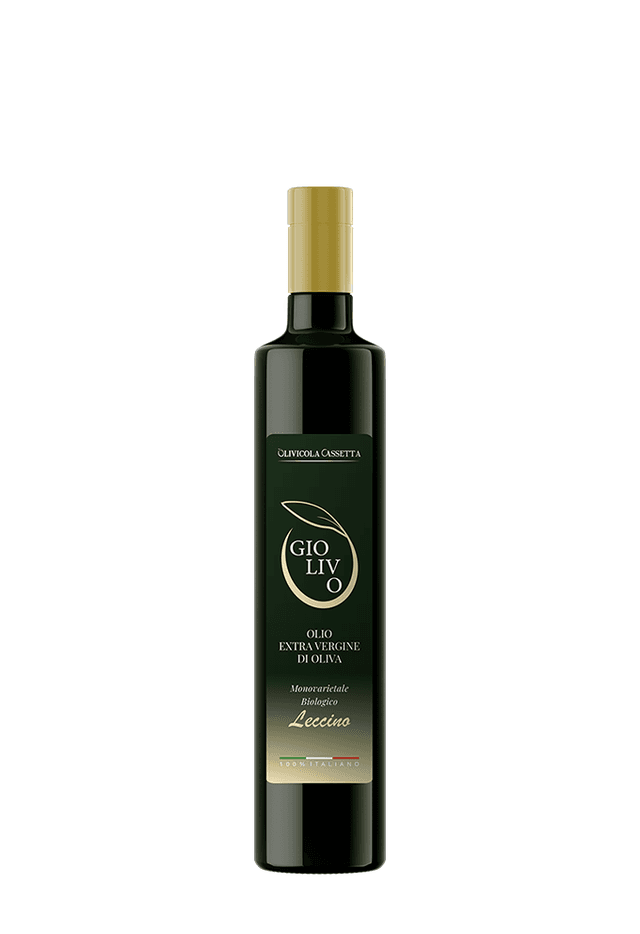
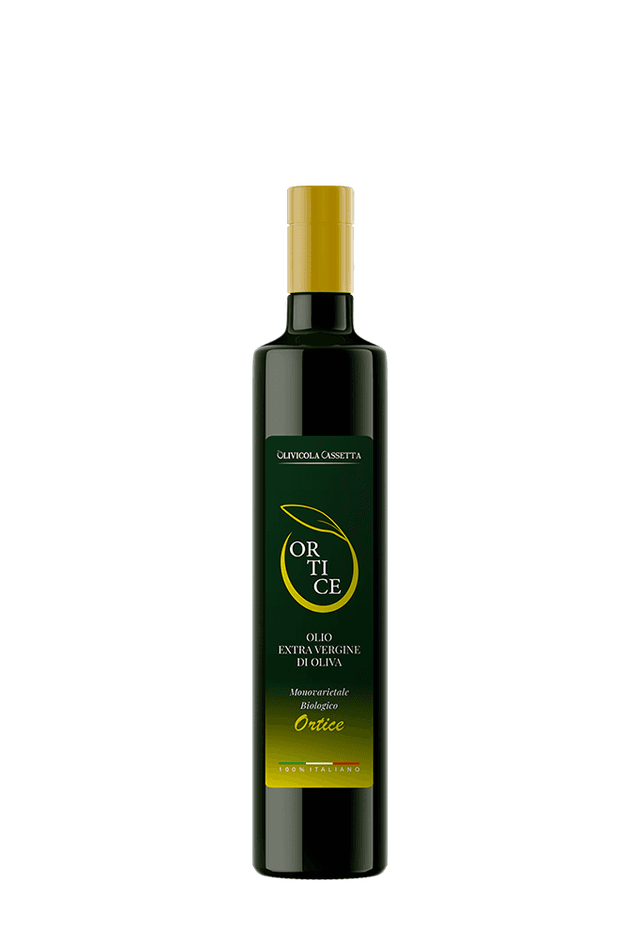
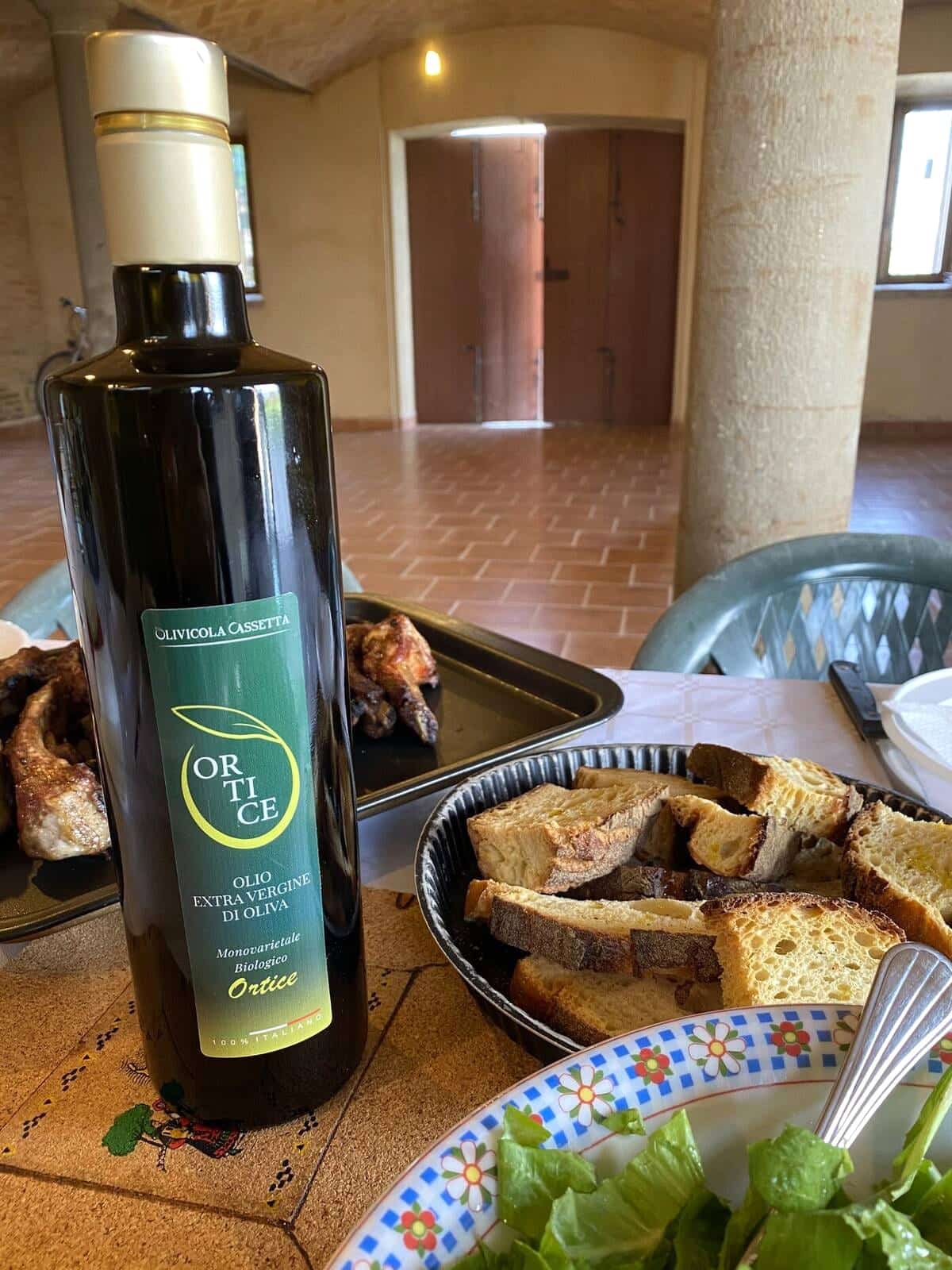
The oil is three quarters of the dressing, so its taste matters. A delicate, fruity extra virgin such as Leccino keeps a lemon dressing fresh on fish or mild leaves; a bitter and peppery one such as Ortice stands up to red wine vinegar, radicchio, tomatoes and beans.
Red wine vinegar gives a sharper dressing, white wine and apple vinegar a softer one. Traditional balsamic vinegar is sweeter and can be used with less oil. If you are choosing between oils, our guide to choosing extra virgin olive oil explains what to look for.
How long homemade dressing keeps
A plain oil, vinegar and salt dressing keeps for a few days in a closed jar in the fridge. Dressings with fresh garlic, herbs, shallot or lemon are best used the same day; if you keep them, store them in the fridge and use them within a couple of days. Olive oil can thicken in the cold: leave the jar at room temperature for a few minutes and shake.
Never store raw garlic or fresh herbs covered in oil at room temperature: homemade infused oils need specific food-safety precautions.