Cold pressed vs cold extracted: the legal definitions
EU marketing rules for olive oil allow two optional claims on extra virgin and virgin olive oils, set out in Regulation (EU) 2022/2104:
- “First cold pressing”: oil obtained below 27 °C with a first mechanical pressing of the olive paste, by a traditional extraction system using hydraulic presses.
- “Cold extraction”: oil obtained below 27 °C by percolation or centrifugation of the olive paste.
Most mills today, including the one that processes our olives, use a decanter centrifuge. The accurate claim for that oil is therefore cold extracted; “cold pressed” is the everyday term people search for.
Why temperature matters
Warmer paste can release a little more oil, but it also tends to lose volatile aromas and part of the phenolic compounds responsible for bitterness and pungency. Keeping malaxation and extraction cool is a quality choice that usually means a slightly lower yield.
Temperature is only one step. Healthy fruit, a short wait between harvest and milling, clean equipment and careful storage matter just as much. We explain the whole sequence in how extra virgin olive oil is made.
Is all extra virgin olive oil cold pressed?
Every extra virgin olive oil is obtained by mechanical means only, without chemical refining: in that sense it is always unrefined. The cold claim is optional, however, and a bottle without it is not necessarily processed hot. If temperature matters to you, look for the regulated wording rather than vague phrases such as “pure” or “natural”.
“First press” on its own has little meaning today, because there is no second pressing of the same paste in a modern mill.
Single estate and single origin: what they add
Single estate means the olives come from one farm; single origin usually means one country or area. Neither is a legal EU category, so they are only as useful as the traceability behind them. A monovarietal oil, instead, is made from a single olive variety.
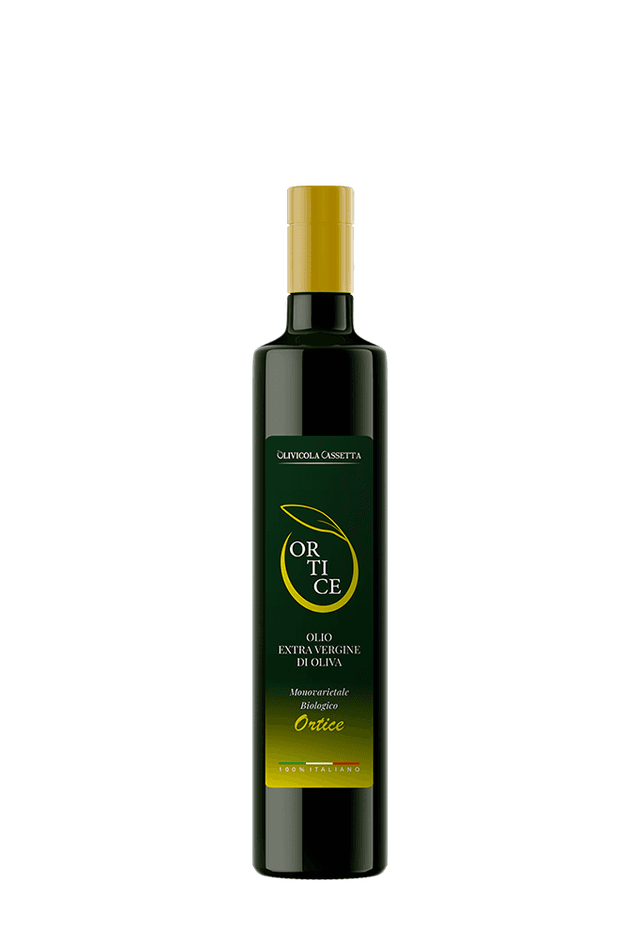
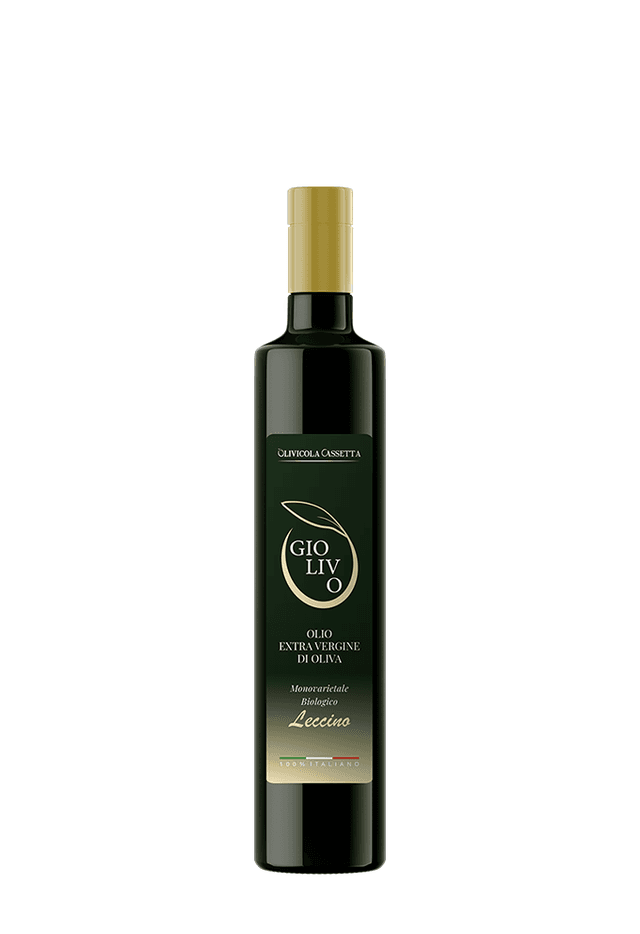
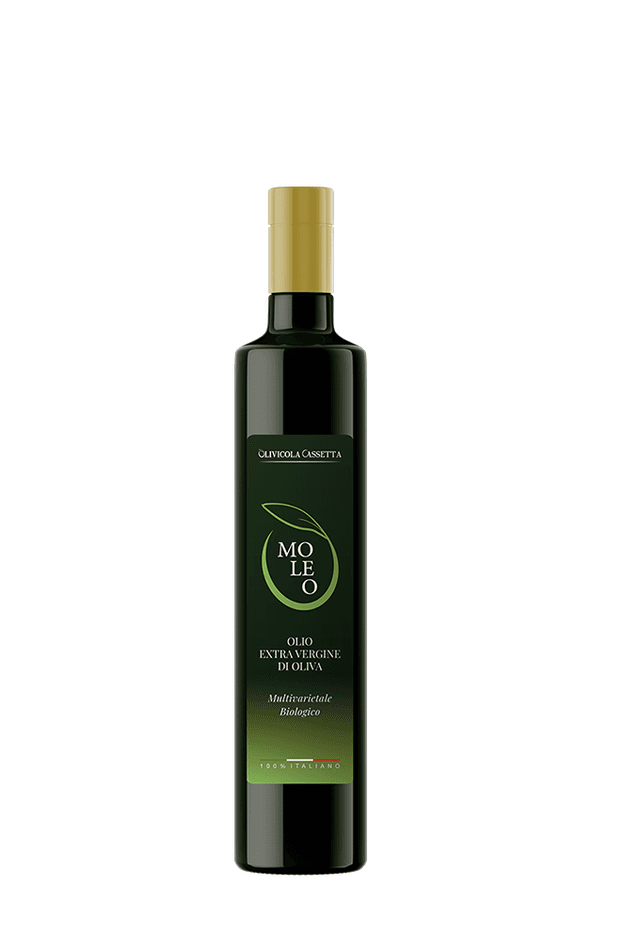
Our oils come from olives grown in our own organic groves in Morcone, in the Sannio area of Campania. Ortice, Giolivo (Leccino) and Monicè (Monicella) are monovarietals; Moleo is a blend. You can compare them in the shop or read about the place in our Sannio guide.